
Why younger generations experience so much more stress
.jpg)
More than half of all young adults experience mental health problems. Suicide is the leading cause of death among young people. These are alarming figures, but they don't come out of nowhere.
The question isn't whether younger generations have it harder than before. The question is: why? And what can we do about it?
Three developments play a decisive role.
1. Performance pressure that starts early and never stops
Young people grow up in a society that measures almost exclusively in performance. Grades, rankings, assessments. Which programme you get into, which internship you land, how quickly you advance. The bar is high, and it's set early.
What's missing is room for failure. For experimentation. For being simply average at something and finding that perfectly fine. That space is shrinking, while it's precisely what's needed to develop resilience.
At the same time, young people are increasingly protected by parents who want to shield them from setbacks. That sounds caring, but it has a downside: those who never learn to deal with adversity are left unprepared when life inevitably pushes back.
2. School selection at an age when children should still be children
In the Netherlands, children are tracked into their educational path at age twelve. At an age when the brain is still developing rapidly, and when social and emotional growth is at least as important as cognitive performance, a label is already applied that can last decades.
Children placed 'too low' carry that feeling with them. Children placed 'too high' feel the pressure to live up to it. And for both: the question of who you are as a person, what you feel, what you need, comes second.
Mental fitness isn't taught in school. There's PE for the body, but no equivalent for the mind. Yet learning to deal with emotions, setbacks, and pressure is the foundation of a healthy life.
3. Technology that never switches off
Scroll through social media twice and you'll see someone who looks more attractive, more successful, and happier than you. That's not a coincidence. Algorithms are built to keep you watching as long as possible, and comparison is one of the most effective ways to do that.
Young people grow up with a constant stream of curated images of others. The idea that being good enough is actually good enough disappears. The norm shifts towards a perfection that doesn't really exist for anyone, but feels like a standard you're expected to meet.
Add to that the fact that technology never rests. Messages, notifications, expectations of constant availability: the boundary between online and offline blurs, and with it the boundary between work and free time, between school and home.
What this means for organisations
Today's young people are tomorrow's employees, and to a large extent already today's. They enter the workforce carrying more than previous generations, but also with a greater awareness of what they need.
Organisations that understand this build an environment where people don't just perform, but are genuinely heard. Where stress isn't a sign of weakness but a signal that's taken seriously. Where managers know how their team is doing before it's too late.
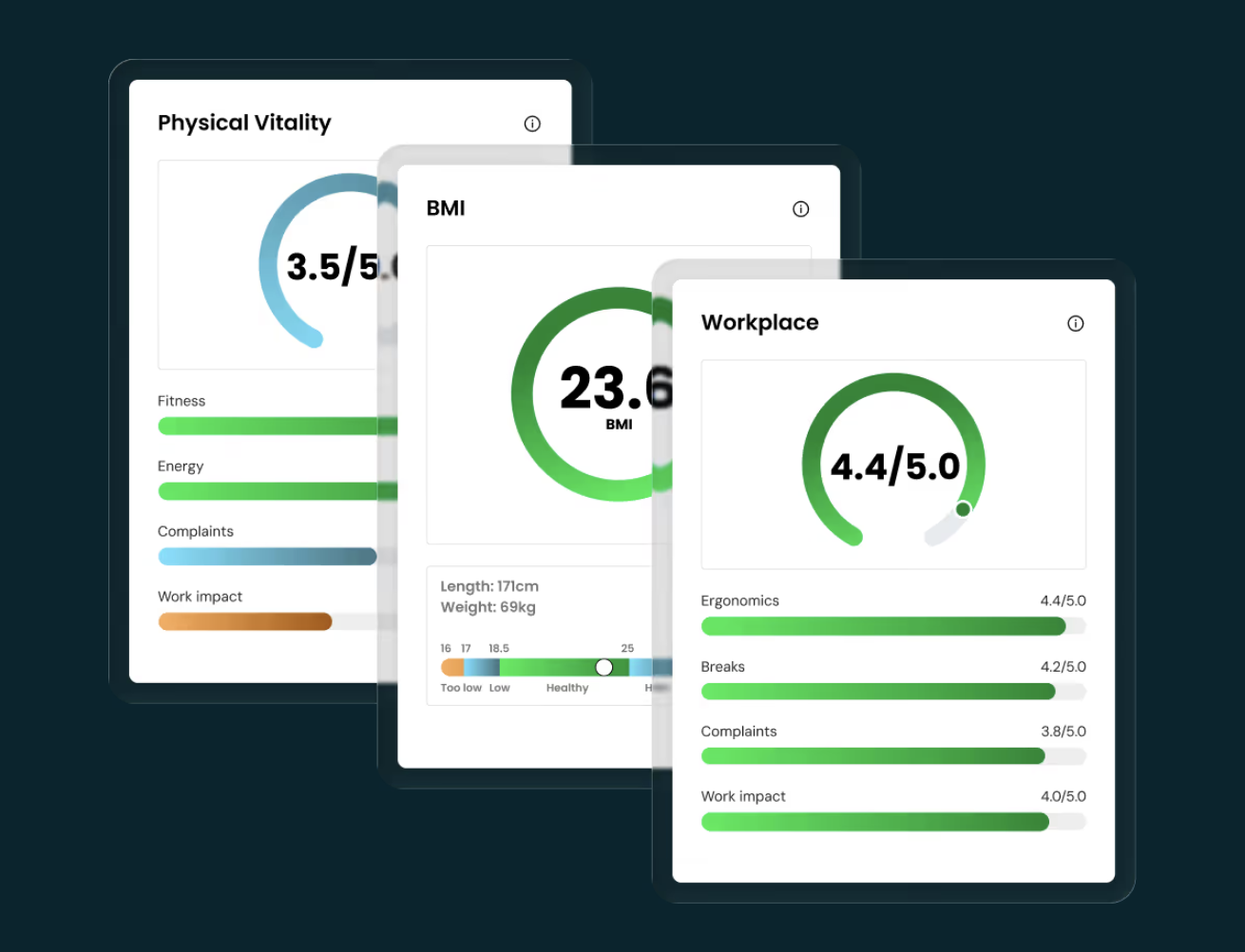
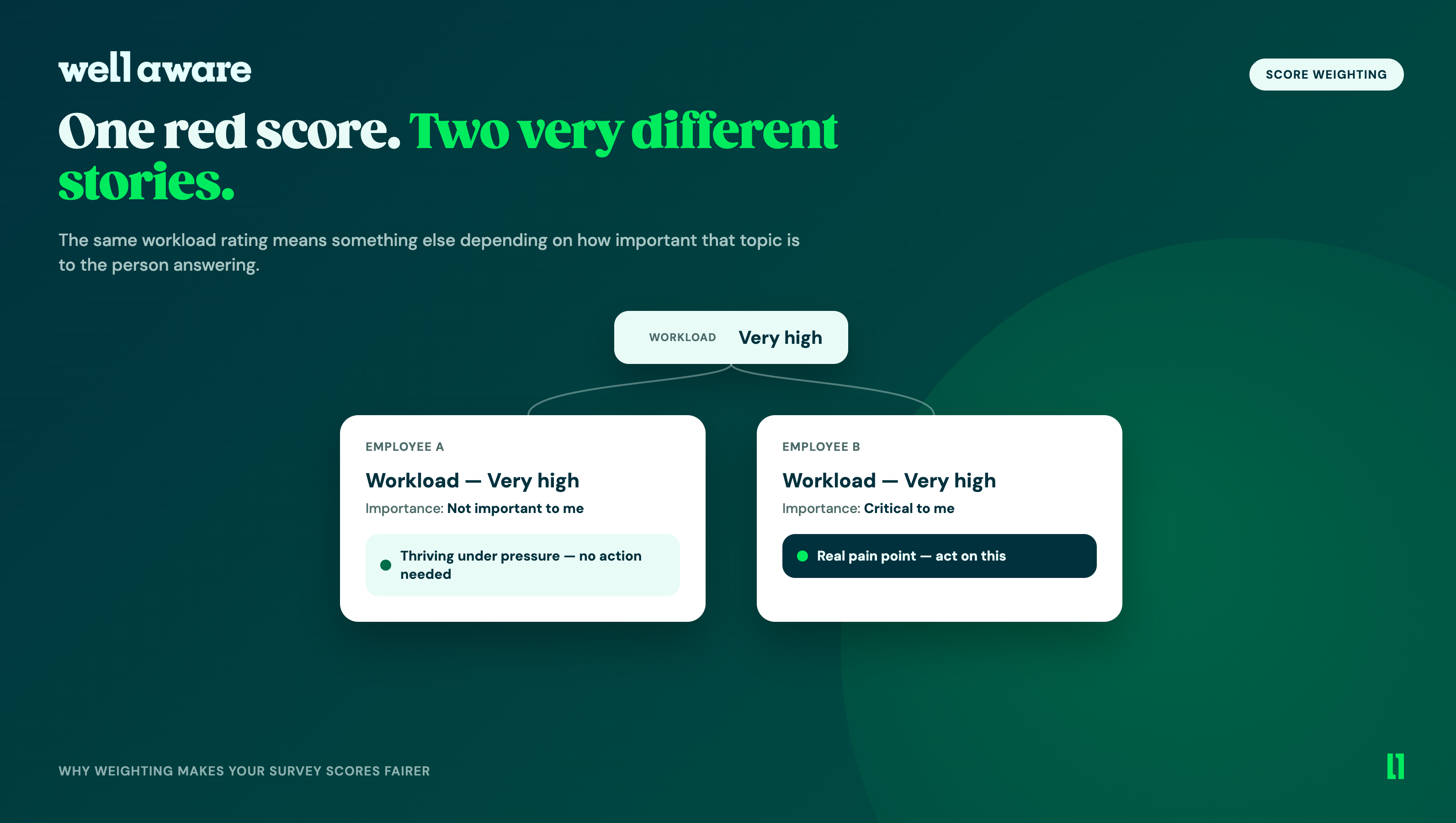
That's exactly what Well Aware was built for: a place where awareness leads to action, for HR, managers, and employees. Because prevention is always better than cure.


.jpg)
.jpg)
.jpg)



Time for action
Book a demo free of obligations and see for yourself how your team really feels.
Book a Demo