
Why millennials are so stressed (and what your organisation can do about it)

They are in their early thirties, mid-thirties, just over forty. They work hard, want to do well, and are trying to keep everything together at the same time. Millennials are often dismissed as a generation with high demands that complains easily. But if you look a little deeper, you see something else: a generation genuinely trying to meet an impossible combination of expectations.
And it costs them more than they show.
The pile-up of responsibilities
What makes millennials unique isn't one big stressor, but the simultaneous pile-up of multiple life domains all demanding attention at once.
They are in the middle of their careers. No longer at the beginning, where mistakes are forgiven as learning experiences, but at the stage where results are expected, teams need to be managed, and visibility matters.
At the same time, they are buying a home, or trying to. In a market that has changed beyond recognition in recent years. A home that was still within reach for their parents feels like an achievement that requires years of doing everything perfectly.
And then there are the children. Or the wish for children, with everything that comes with it: childcare that is barely available, costs that keep rising, and the mental load of parenthood that is rarely divided equally.
What many people don't see: a growing share of this generation also provides informal care. Parents who are getting older, sometimes already dealing with health issues. Millennials are the first generation simultaneously caring for children and for their own parents, while still being in the thick of life themselves.
The bar they set for themselves
On top of that practical pressure comes a psychological one: the expectation that you do all of this well. Not well enough. Well. As a parent, as a partner, as an employee, as the child of your own parents.
Social media plays an amplifying role here. The images you see are of people who seem to be combining it all. The family, the career, the trip, the athletic achievement. What you don't see is what it looks like behind the scenes.
The feeling of falling short is therefore ever-present, even when you are objectively doing very well. That creeping feeling costs energy, day in and day out.
What this looks like at work
Millennials call in sick more often than previous generations did at the same age. They more often get stuck on the boundary between work and private life. They more often seek support, but less often ask for it, because they fear being seen as weak or unprofessional.
As an organisation, you don't always notice this directly. Because millennials are also the generation that pushes through. That works a bit extra. That says things are fine, even when that's not entirely true.
Until at some point it isn't fine anymore.
How you make a difference as an organisation
Organisations that understand this do three things differently.
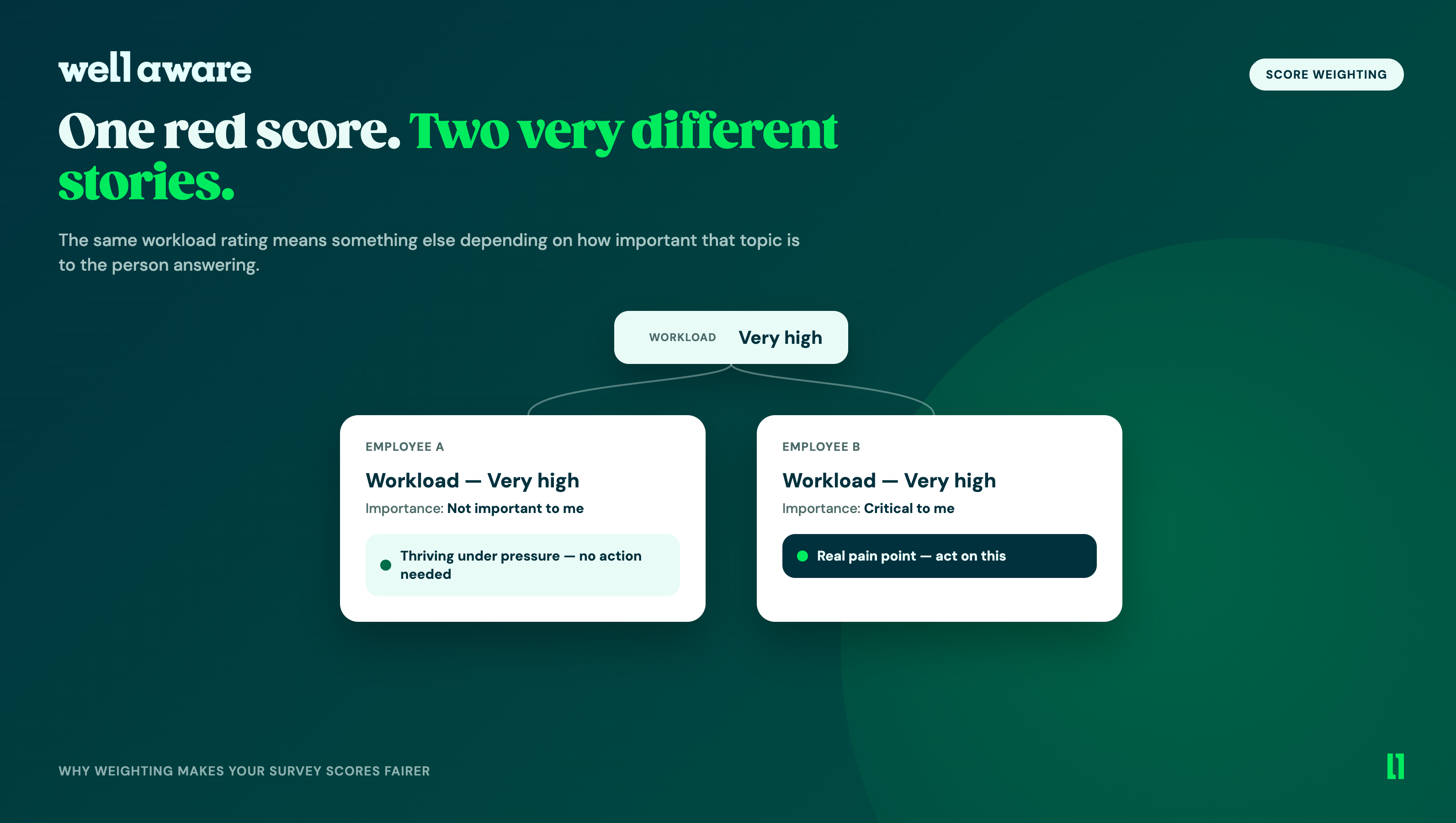
They make speakable what normally goes unspoken. Not through a one-off survey, but by structurally asking how people are really doing. With employees themselves, and with managers who know them well.
They offer flexibility that actually works. Not as a PR story on the website, but as daily practice. Room to manage the school schedule, take a caregiving day, or work from home one afternoon without having to explain why.
And they invest in managers who recognise signals. Because the manager is the person who first notices when someone becomes quieter, has less energy, or lets things slide that would normally always get done. Those early signals are invaluable, if you act on them.
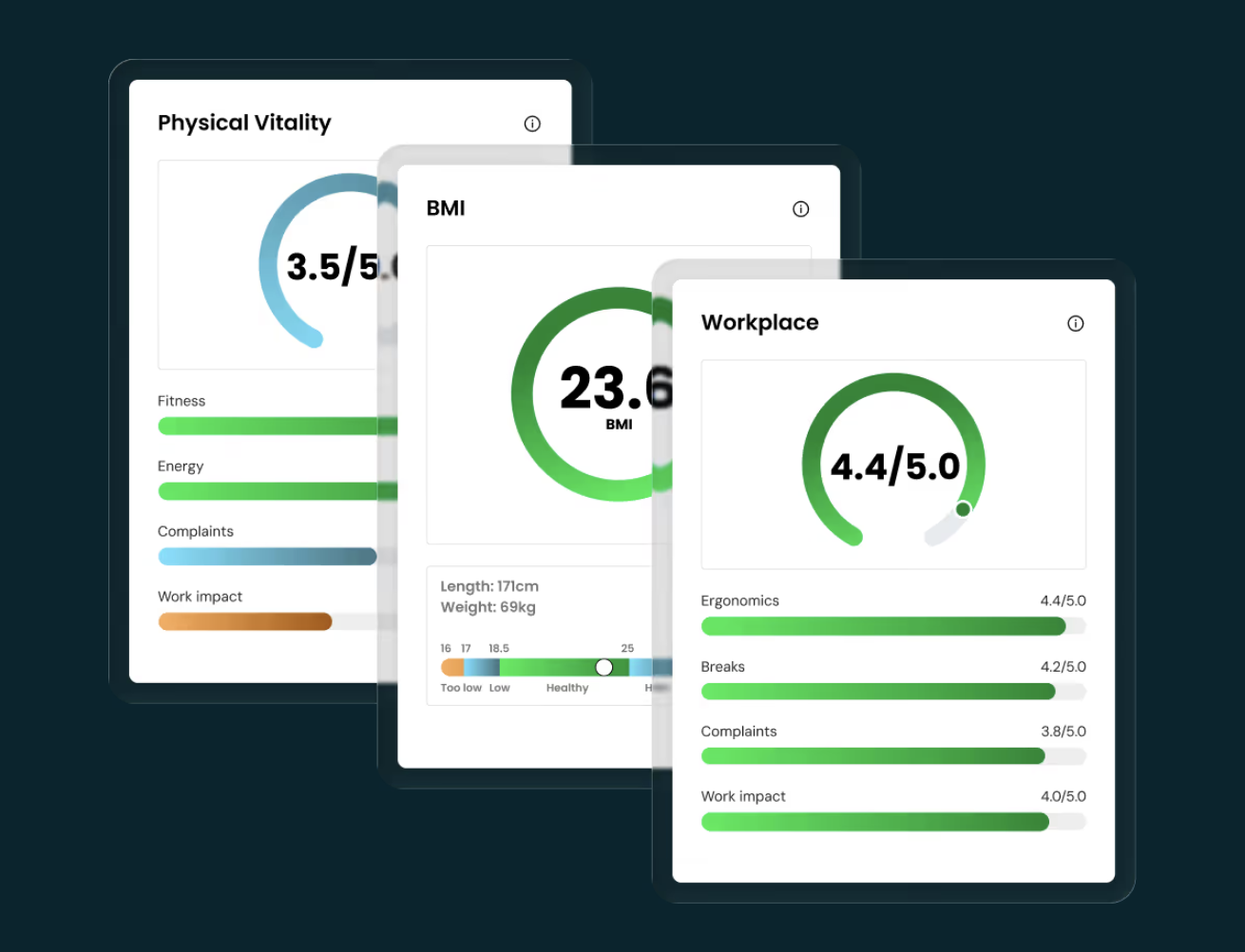
Well Aware helps organisations do exactly that: continuously listening to how employees are really doing, at every level. So that stress remains a signal, and doesn't become burnout.
.jpg)

.jpg)
.jpg)
.jpg)


Time for action
Book a demo free of obligations and see for yourself how your team really feels.
Book a Demo